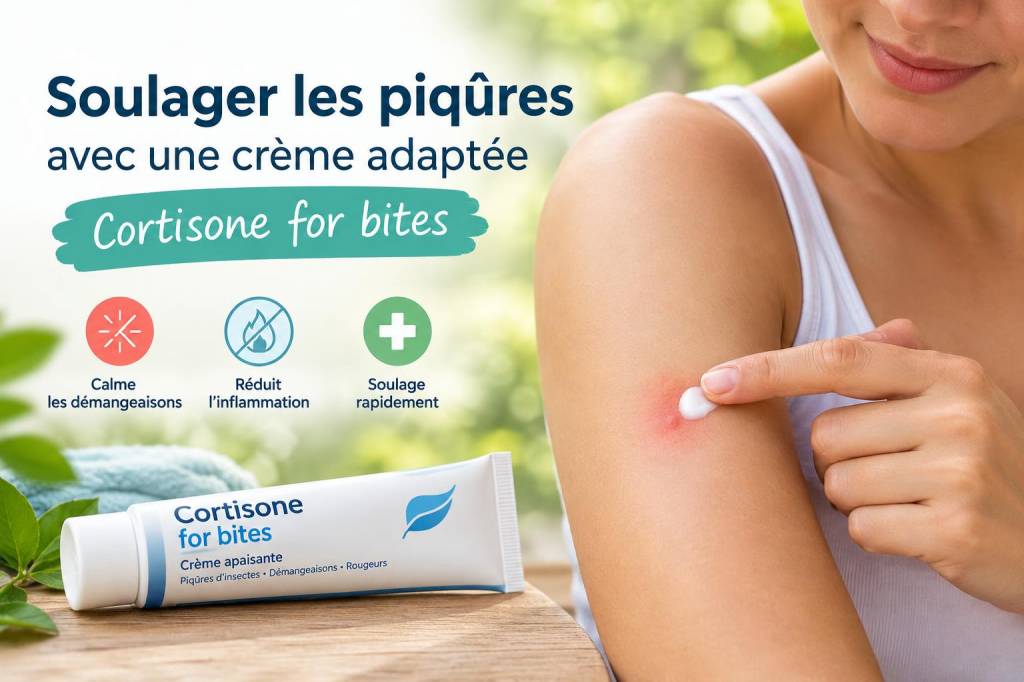
When I look at mosquito bites, I usually see the same pattern: a small red bump, a growing urge to scratch, and a quick search for a product that can calm the skin before the irritation spreads. In many cases, what matters most is choosing a formula that matches the intensity of the reaction. That is why I focus on soulager les piqûres avec une crème adaptée as a practical starting point, especially when inflammation, itching, and swelling make a bite hard to ignore.
From my perspective, cortisone creams are not a reflex for every bite, but they can be useful when the skin reaction becomes more noticeable. I treat them as one option in a wider response plan: clean the area, avoid scratching, watch for warning signs, and choose a cream only when the situation really calls for it. That balanced approach matters because a bite is usually harmless, yet the discomfort can still be distracting enough to affect sleep, work, and concentration.
What happens after a mosquito bite
A mosquito bite is an immune response, not just a tiny puncture. When a mosquito feeds, it introduces saliva into the skin. That saliva can trigger histamine release, which is why I see redness, itching, and mild swelling so often. The reaction is usually local, but it can vary a lot from one person to another.
In my experience, some people barely notice a bite, while others develop a raised, warm, intensely itchy area that lingers for days. Children often scratch more, and people with sensitive skin may have stronger symptoms. According to dermatology references, itching is one of the most common reasons patients seek a topical treatment for insect bites.
- Typical signs: itching, redness, small swelling, warmth
- More intense reactions: larger plaques, firm swelling, extended discomfort
- Possible complication: skin damage from repeated scratching
Where cortisone creams fit into my routine
When I consider cortisone for a bite, I think of anti-inflammatory action first. Cortisone, or a corticosteroid ingredient in a topical cream, can reduce the local inflammatory response and calm the itch cycle. That can be especially useful if a bite is large, highly irritated, or repeatedly scratched.
I do not use it as a universal answer. For mild bites, a cool compress, cleansing, and a simple soothing lotion may be enough. For moderate inflammation, a cortisone cream may bring faster relief. For severe or unusual reactions, I prefer medical advice instead of guessing.
Most over-the-counter hydrocortisone products are low strength, and that matters. They are generally intended for short-term use on limited skin areas. Stronger corticosteroids usually require a prescription and should be reserved for specific situations under professional guidance.
What I compare before choosing a cream
Whenever I help someone decide between products, I compare four practical points: strength, skin location, age, and symptom severity. That simple framework prevents overuse and helps narrow the choice.
| Factor | What I look for | Why it matters |
|---|---|---|
| Strength | Low-dose hydrocortisone or prescription steroid if advised | Balances effectiveness and safety |
| Skin location | Face, eyelids, folds, hands, legs, or body | Some areas absorb more and need extra caution |
| Age | Adult, child, or infant | Children need more careful product selection |
| Reaction level | Mild, moderate, or strong itch and swelling | Guides whether a simple soothing product is enough |
I also check the label for fragrance, alcohol, and unnecessary irritants. A cream can be technically effective and still feel unpleasant on inflamed skin if the formula is too harsh.
When cortisone seems useful, and when I avoid it
I tend to see the best value from cortisone cream when the bite is clearly inflamed, scratching is making it worse, or the itch is intense enough to interfere with rest. In those cases, a short course of topical corticosteroid can interrupt the itch-inflammation loop.
I avoid using cortisone casually on every bite because repeated or prolonged use can irritate skin, thin delicate areas, or mask a worsening problem. I am especially careful on the face, around the eyes, on broken skin, and on sensitive zones. If the bite looks infected, I do not try to “cover it up” with steroid cream; I want a clinician to assess it first.
In practical terms, I think of cortisone as a targeted tool, not a default cosmetic cream.
What I do before applying any cream
Before I put any product on a bite, I clean the area gently with water and mild soap, then pat it dry. That sounds basic, but it helps remove sweat, dirt, and any residue from outdoor exposure. After that, I prefer a cool compress for a few minutes because cold often reduces immediate itching and puffiness.
- Wash the bite gently
- Dry the skin without rubbing
- Apply a cool compress if swelling is present
- Use a small amount of cream only on the affected spot
- Wash hands after application
I never layer multiple active products on top of one another unless a pharmacist or doctor has told me to do so. Too many ingredients can irritate the skin instead of calming it.
How long I expect relief to take
People often ask me how fast a cortisone cream works. In my experience, relief is not always immediate, but itch intensity often begins to ease within hours. Swelling may take longer to settle, especially if the bite has been scratched repeatedly. If there is no improvement after a short period of appropriate use, I reassess rather than adding more product.
Published medical sources commonly describe hydrocortisone as a short-term anti-inflammatory option. That matters because the goal is symptom control, not long-term daily use. If the bite keeps getting worse instead of better, I treat that as a signal to stop guessing.
Situations where I would seek medical advice
I do not ignore certain warning signs. If I notice spreading redness, pus, fever, severe pain, trouble breathing, facial swelling, or a rapidly enlarging reaction, I want medical help. These symptoms can suggest infection or a more serious allergic response.
I am also cautious if the person affected is a young child, if the bite is near the eye, or if there is a history of severe insect allergy. In those cases, a quick professional opinion is safer than trial and error.
- Fast-spreading redness
- Increasing warmth or pain
- Oozing or pus
- Fever or malaise
- Breathing difficulty or facial swelling
Other products I consider alongside cortisone
I do not rely on cortisone alone. Depending on the bite, I may consider calamine, pramoxine, antihistamine options recommended by a pharmacist, or a simple emollient that protects the skin barrier. Each one has a different role, and I choose based on what bothers the skin most.
For instance, if itching is the main issue and inflammation is mild, a soothing lotion may be enough. If swelling and redness are stronger, cortisone may make more sense. If the skin feels dry and tight after scratching, a barrier-supporting cream can be helpful once the acute irritation settles.
What I have learned from trusted medical sources
When I check evidence, I like to stay close to reputable medical organizations. Three sources I rely on regularly are:
- Mayo Clinic, for general insect bite care and warning signs
- NHS, for practical guidance on minor skin reactions and safe self-care
- American Academy of Dermatology, for topical steroid use and skin safety
These sources consistently reinforce a few points that matter to me: keep treatment limited, avoid overusing steroid creams, and seek help if symptoms look unusual. That consistency gives me more confidence than random advice from forums or product pages.
FAQ I ask myself before using cortisone on a bite
Is cortisone always necessary? No. I only consider it when itch and inflammation are strong enough to justify it.
Can I use it on multiple bites? Sometimes, but I still keep the amount small and the duration short. If there are many bites, I reassess the environment and exposure risk too.
Can children use it? Sometimes, but I am more cautious with children and prefer age-appropriate advice from a pharmacist or doctor.
Should I use it on broken skin? I avoid that unless a clinician has advised otherwise, because broken skin changes absorption and irritation risk.
Does it cure the bite? No. It helps control the reaction while the skin heals naturally.
Practical comparison of common approaches
| Approach | When I use it | Strengths | Limits |
|---|---|---|---|
| Cool compress | Immediate discomfort | Fast, simple, low risk | Short-lived relief |
| Cortisone cream | Moderate itch or inflammation | Reduces inflammatory reaction | Not for prolonged or casual use |
| Soothing lotion | Mild irritation or dryness | Comforting and gentle | May not be enough for strong itch |
| Medical review | Severe or unusual symptoms | Clarifies diagnosis and treatment | Requires time and access |
Sources I check when I want reliable information
I like to verify claims against current medical references rather than relying on assumptions. When I research bite care, I usually consult these pages:
- Mayo Clinic: insect bite and sting care
- NHS: insect bites and stings
- American Academy of Dermatology: corticosteroid cream use
- Cleveland Clinic: insect bite symptom management